A builders registration check is a crucial step before hiring any contractor for your construction project. Here’s what you need to verify:
In California, every contractor must be licensed by the Contractors State License Board (CSLB). According to the CSLB, if a builder isn’t listed in the official directory, they’re likely not operating legally. The consequences of hiring an unlicensed builder are severe: you’ll have no legal recourse, no warranty coverage, and no guarantee the work meets building codes or safety standards.
The stakes are high. With 8,129 licensed residential builders currently in good standing, verifying credentials protects you from the thousands of unlicensed operators working illegally. In Ontario, the Home Construction Regulatory Authority (HCRA) makes this point clear: if a builder isn’t in their directory, don’t buy from them.
Organizations like the NHBC in the UK demonstrate what proper oversight looks like. They require builders to demonstrate both financial security and technical competence before registration. All registered builders agree to comply with NHBC Rules and build homes to NHBC Standards of construction. Site-based assessments happen at key stages throughout the build process.
I’m Phil Cocciante, and I’ve spent over 20 years in the construction industry, including five years as a license application technician at the CSLB. During that time, I’ve seen how a proper builders registration check protects consumers from costly mistakes and legal nightmares.
Hiring a builder for your home is one of the most significant investments you’ll make. A thorough builders registration check is your first line of defense, ensuring you partner with a legitimate, competent, and accountable professional. This verification rests on four pillars: consumer protection, financial security, technical competence, and your peace of mind.
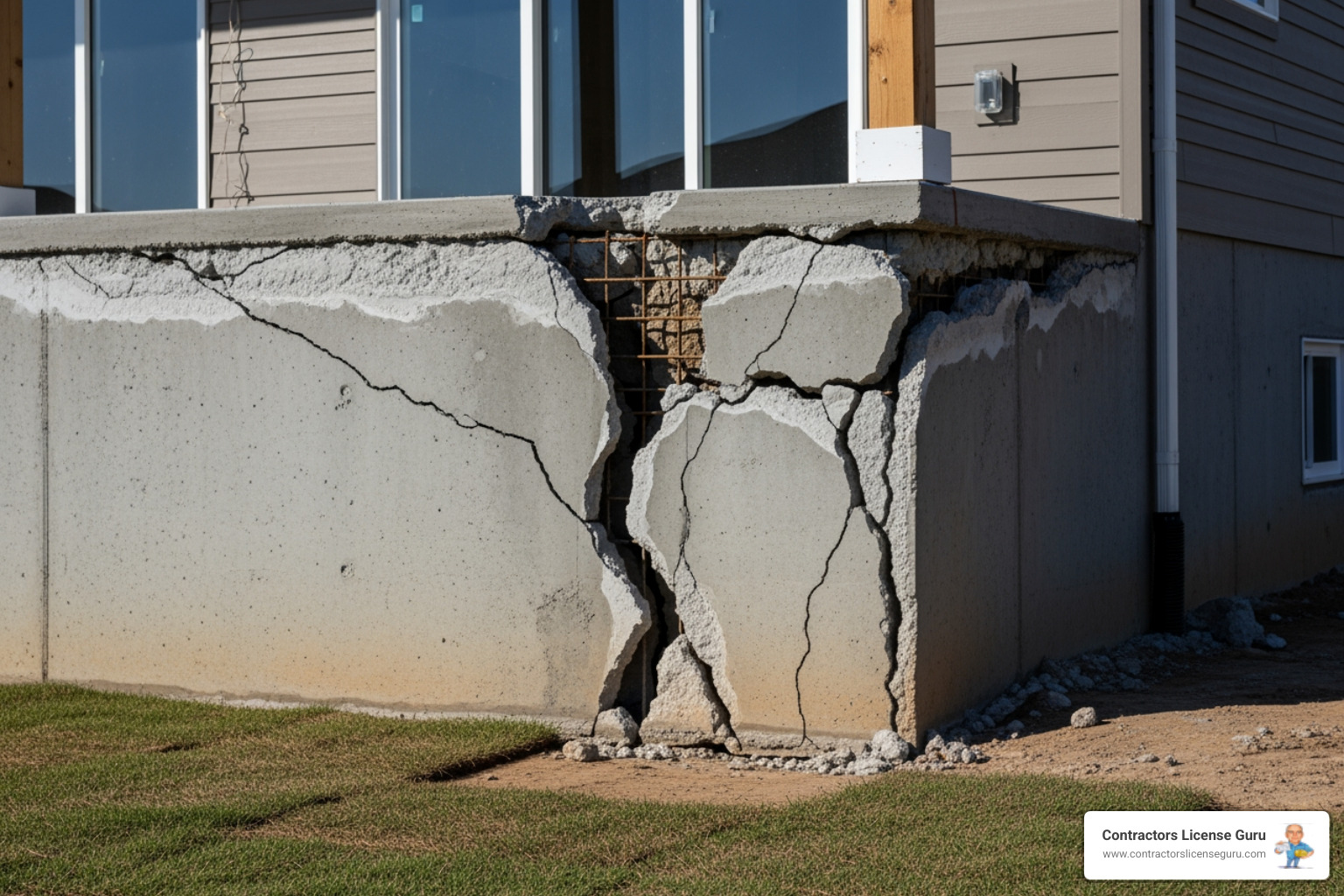
A builder without an active license operates outside the regulatory framework, leaving you vulnerable to shoddy work, inflated costs, and safety hazards. In California, the Contractors State License Board (CSLB) sets the standards and monitors contractors to safeguard consumers from these risks. Imagine finding a major structural flaw months after completion; without proper verification, you could face a nightmare with no legal recourse.
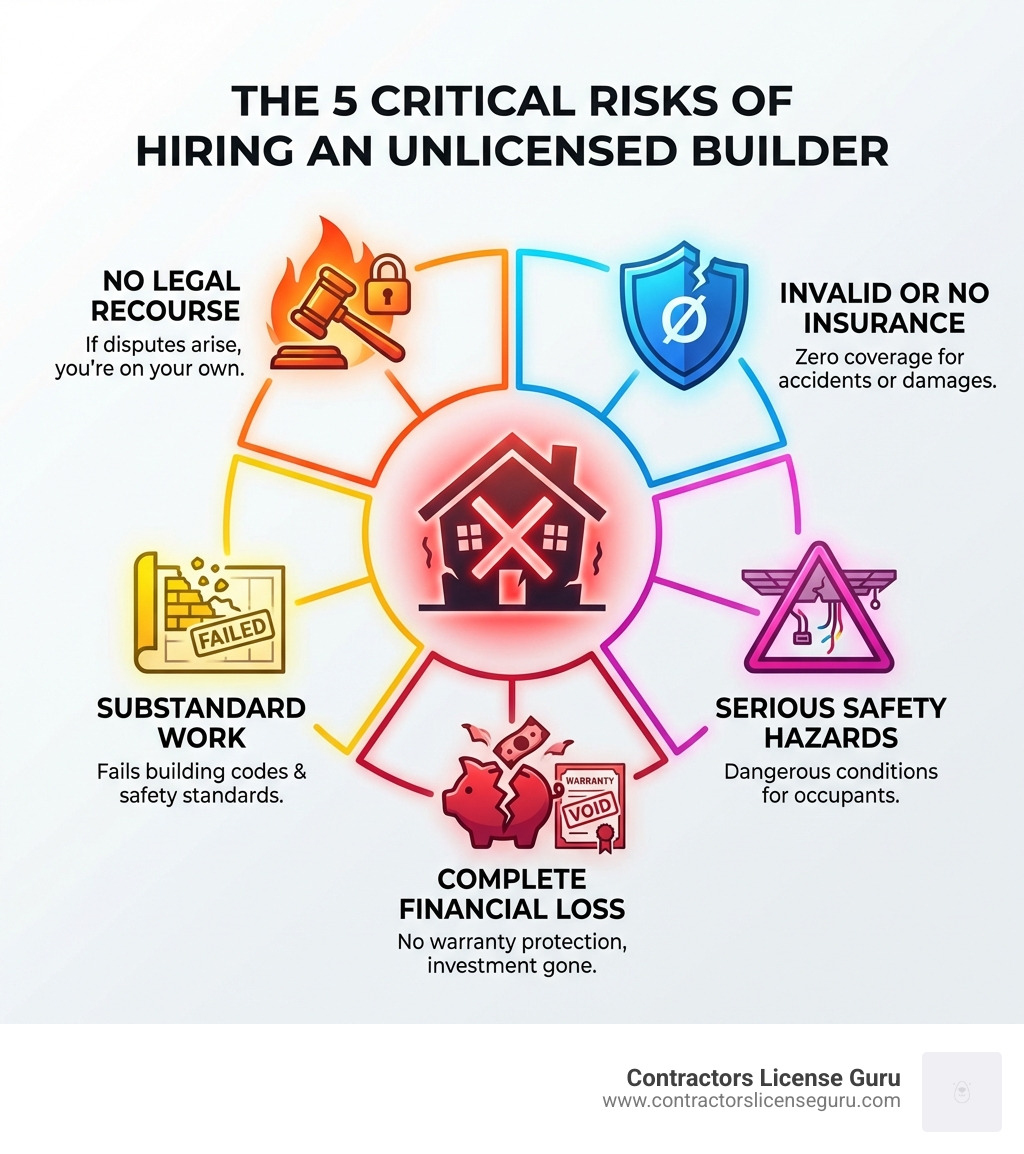
The “high cost” of hiring an unlicensed builder goes beyond money, creating a cascade of problems. The CSLB strongly advises against it for these critical reasons:
Regulatory bodies like California’s CSLB exist to ensure builders meet a baseline of competence and ethical conduct. Here’s how the CSLB vets contractors:
While other bodies like the UK’s NHBC focus on warranties and building standards, and Ontario’s HCRA maintains a public directory with regulatory actions, the core principle is universal: these organizations enforce standards that an unlicensed builder simply cannot offer.
Now that we understand why a builders registration check is so vital, let’s walk through how to do it effectively, focusing on the process here in California. This isn’t just a suggestion; it’s a critical step in protecting your investment and ensuring your project runs smoothly.
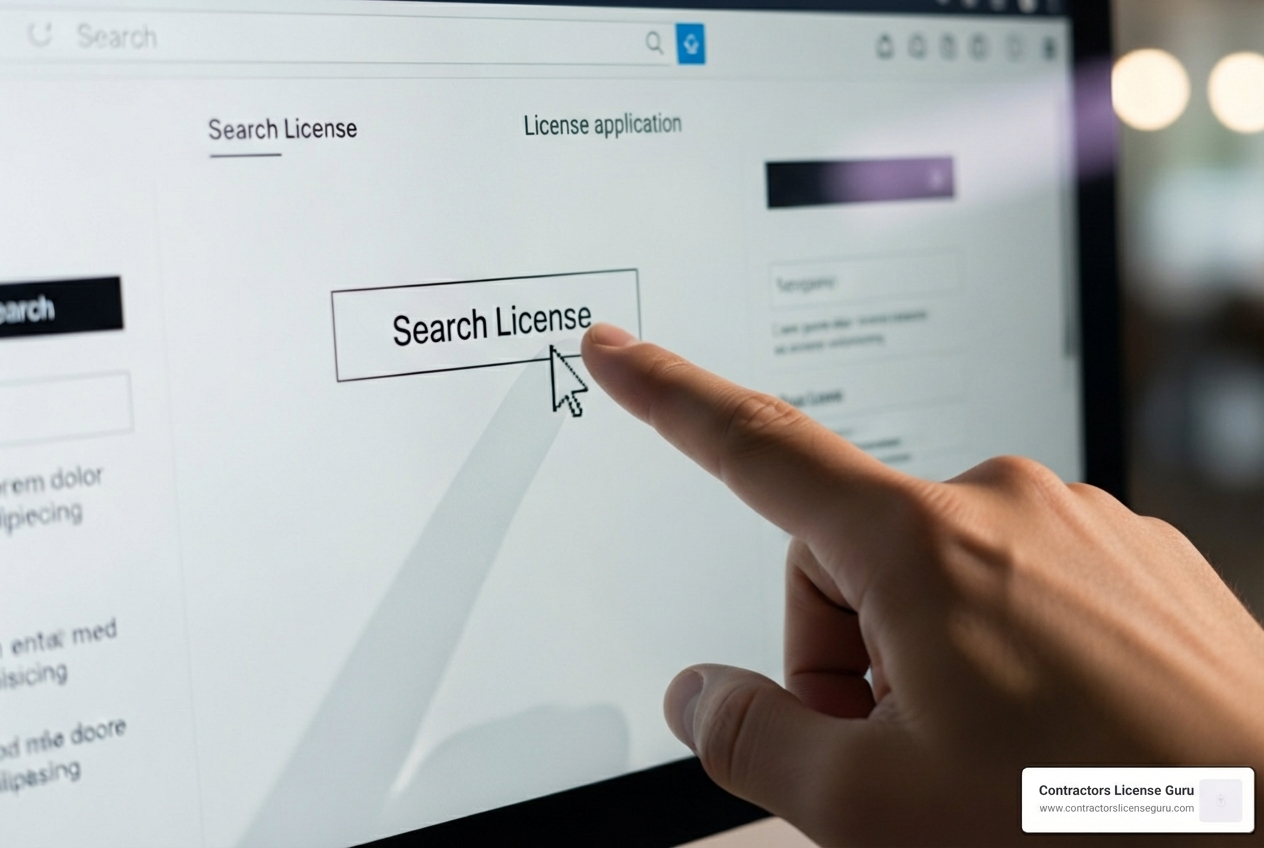
The process is generally straightforward thanks to online portals provided by regulatory bodies. Our goal is to empower you with the knowledge to use these tools to your advantage.
Before you dive into an online search, you’ll need some basic information about the builder you’re considering. The more details you have, the more precise your search will be.
Ideally, you should have:
Even if you only have one or two pieces of this information, you can often start your search, but having more details will help confirm you’ve found the correct individual or company.
In California, the primary and most reliable source for verifying a builder’s credentials is the Contractors State License Board (CSLB). We cannot stress enough the importance of using official government websites for this check. Third-party sites may not have the most up-to-date or accurate information.
Here’s how we recommend conducting your search:
For a direct link to perform a builders registration check on a California contractor, we recommend using this official portal: Check A License – CSLB – CA.gov.
The CSLB also provides an Open Data Portal as part of the Department of Consumer Affairs (DCA), where you can access licensing and enforcement statistical data. While perhaps more for those interested in broader trends, it underscores the transparency and data available: DCA’s Open Data Portal.
Once you’ve retrieved the results from the CSLB website, it’s crucial to know what details to examine. This information gives you a comprehensive picture of the builder’s standing.
When reviewing a contractor’s license details, pay close attention to:
If you’ve searched the CSLB database and cannot find the builder, consider this a significant red flag.
Here’s what it might mean and what to do:
Navigating contractor licenses can feel like learning a new language. It’s crucial to clarify these distinctions, particularly within California’s regulatory landscape.
In general, “licensing” refers to a government-issued authorization to practice a trade, requiring qualifications, exams, and adherence to regulations. “Registration” can sometimes refer to simply being listed with an organization, which may not have the same regulatory power. In California, we primarily deal with licensing through the CSLB, which is a rigorous process.
The CSLB categorizes contractors into different classifications based on the work they are qualified to perform. Understanding these is key to ensuring your builder is legally authorized for your project.
Here are the primary classifications:
We help aspiring contractors understand these classifications and prepare for their respective exams. For those looking to become licensed contractors themselves, you can dive deeper into the exam requirements here: contractor exam requirements.
While our focus is on California, it’s worth noting that other regions have robust systems illustrating the universal need for oversight:
These examples confirm that an official builders registration check is a fundamental consumer protection tool worldwide.
Congratulations! You’ve successfully performed your builders registration check and found a licensed, reputable contractor. But the process doesn’t end there. There are still crucial steps to take to ensure your interests are fully protected.
The contract is the cornerstone of your project. Before you put pen to paper, we strongly advise these actions:
A well-drafted contract protects both you and the contractor by setting clear expectations.
Even with a licensed contractor, issues can arise. The good news is that when you hire a licensed professional in California, you have resources for recourse.
If you encounter problems with a licensed builder:
The DCA’s Open Data Portal, which includes data from the CSLB, provides statistics on licensing and enforcement, giving you a sense of the regulatory body’s active role in consumer protection: Access California’s DCA Open Data Portal for enforcement statistics.
We often hear similar questions from consumers about verifying contractors. Let’s address some of the most common ones to further explain the builders registration check process.
In California, “licensed” is the official term. A CSLB-issued license is a government-backed authorization requiring exams, experience, and insurance. “Registered” can be a broader term, sometimes referring to a listing with a trade group or warranty provider (like the UK’s NHBC). For your protection in California, always confirm you are hiring a licensed contractor via the CSLB.
We recommend checking a builder’s license at several key points:
Yes, but the process varies. Each state or country has its own regulatory body. To verify a contractor outside California, search for that jurisdiction’s official contractor licensing board and use their online search tool. A license in one state is not valid in another; verification must be done for the specific location of your project.
Starting on a construction project is an exciting endeavor, but it comes with significant responsibilities. As we’ve explored, the single most impactful action you can take to safeguard your investment and ensure a successful outcome is to perform a thorough builders registration check. This isn’t just a formality; it’s your shield against the myriad risks associated with unlicensed or unscrupulous operators.
We’ve walked through the critical steps: gathering the right information, utilizing official California CSLB online portals, and carefully examining the details of a contractor’s license status, disciplinary history, and insurance. We’ve highlighted the severe consequences of hiring an unlicensed builder – from financial ruin to safety hazards – and underscored how regulatory bodies like the CSLB diligently work to ensure competence and protect consumers.
The power is in your hands to make informed decisions. Always verify before hiring, always use official government sources, and always understand the risks involved. At Contractors License Guru, we’re dedicated to upholding the standards of the construction industry in California, helping both aspiring contractors achieve their licenses and consumers make confident choices. Your home is too important to leave to chance.
For our website for a complete guide on verifying a contractor’s credentials in California.